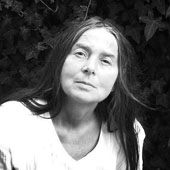
Jana Pivovarníková
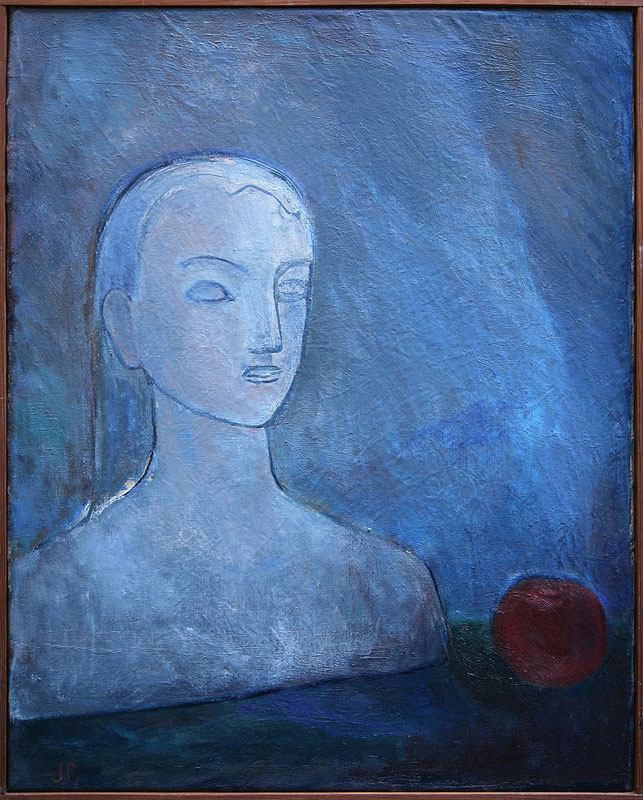
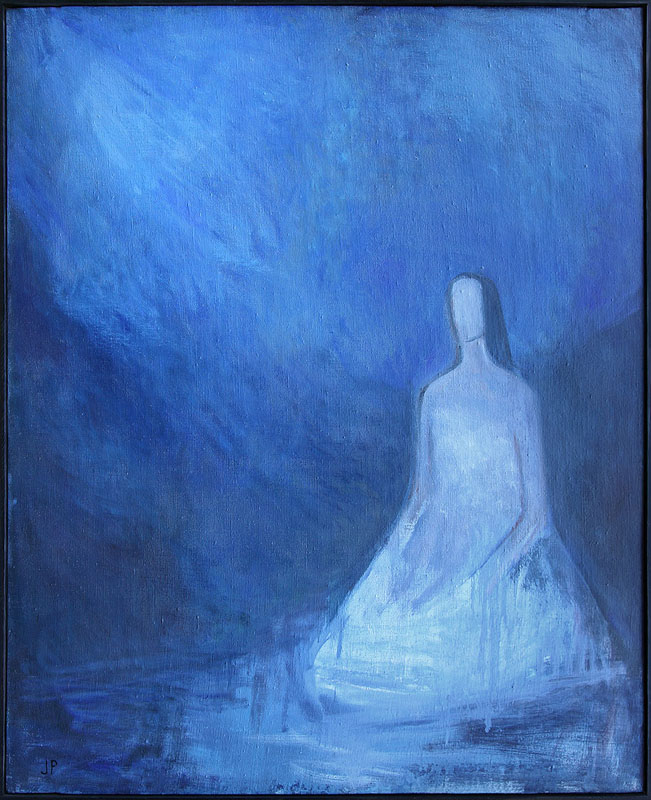
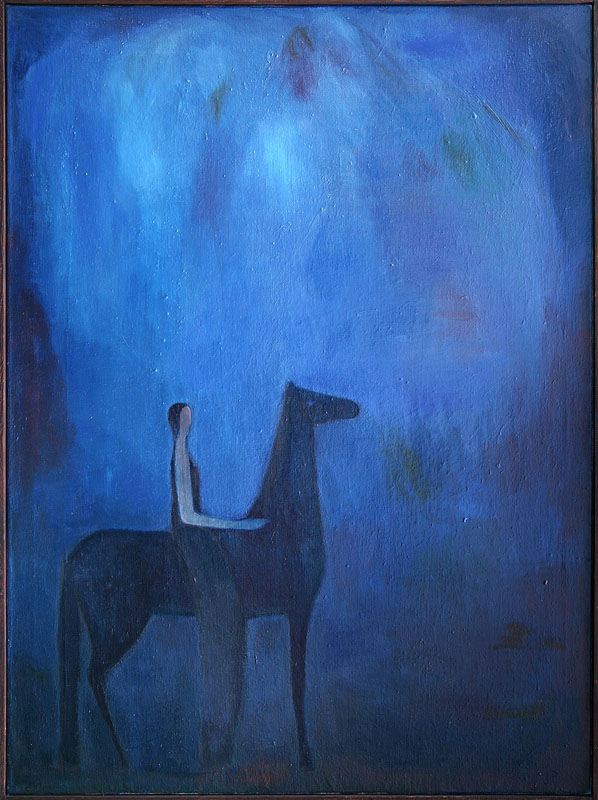
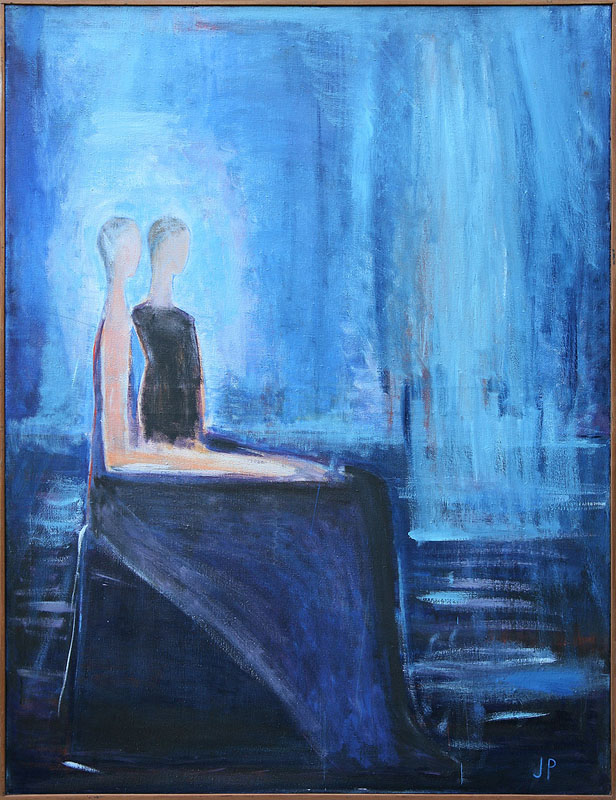
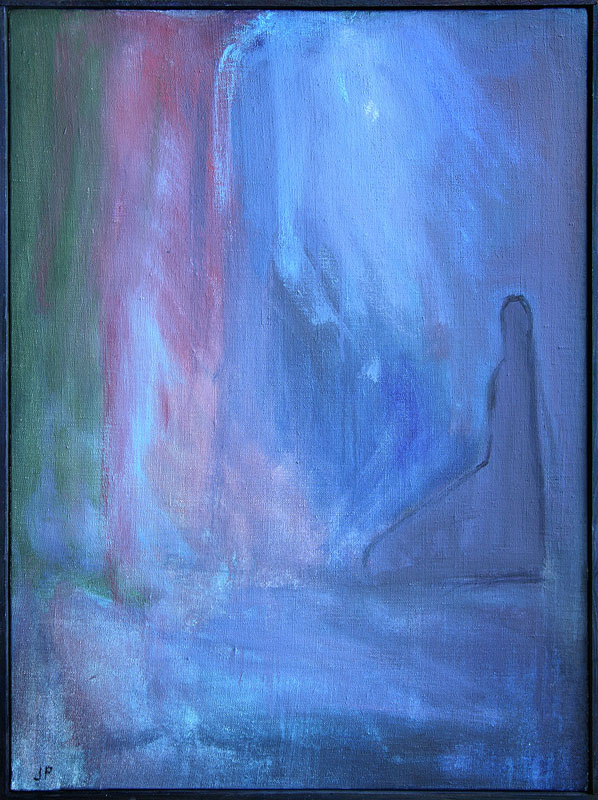
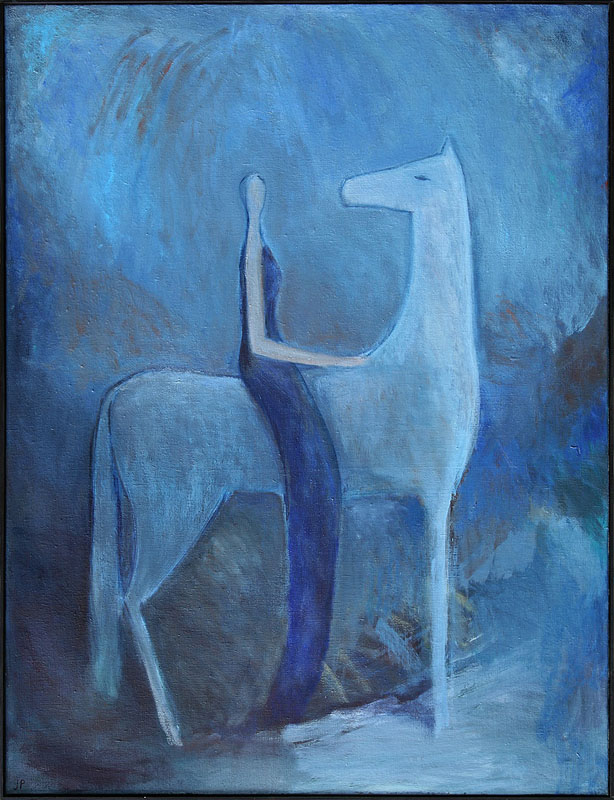
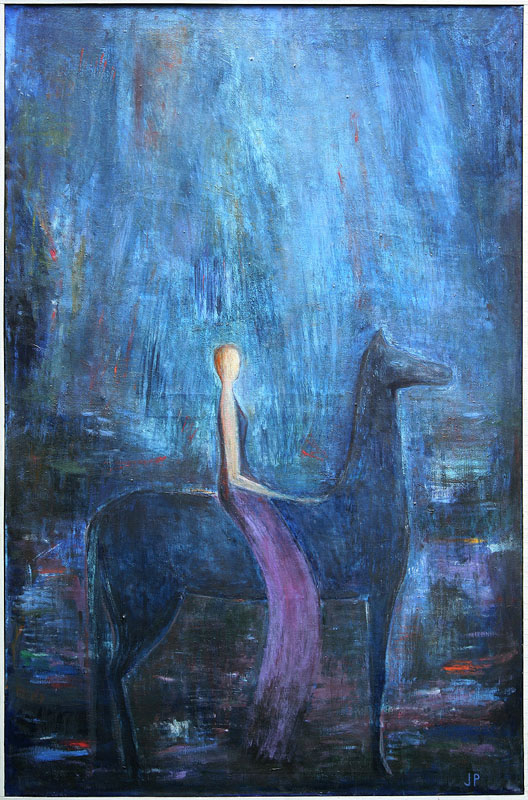
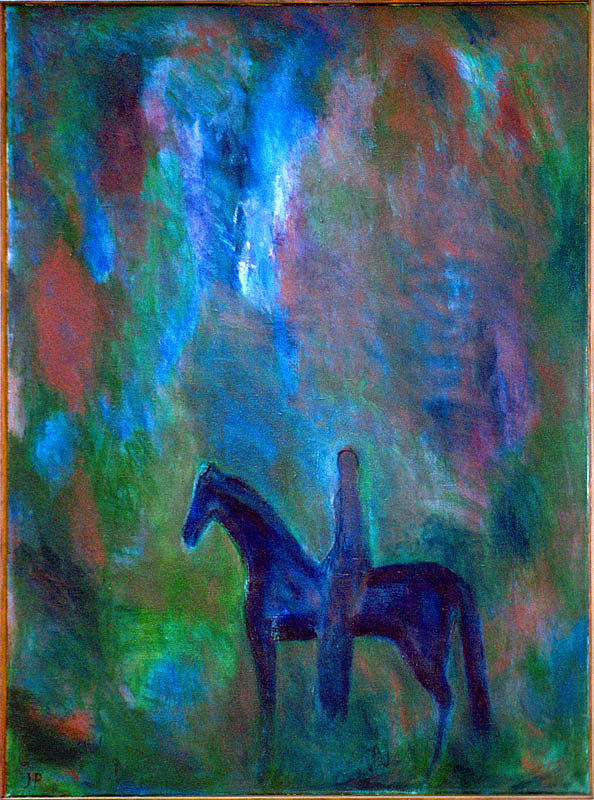
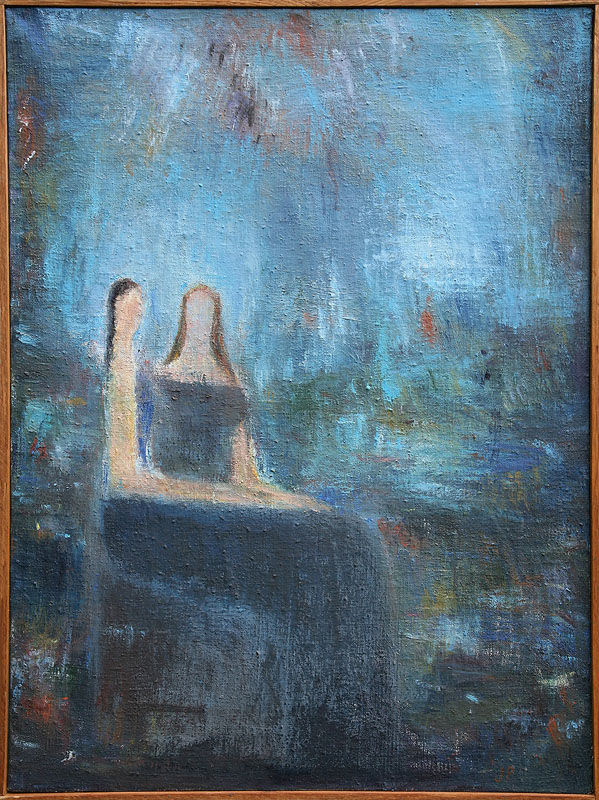
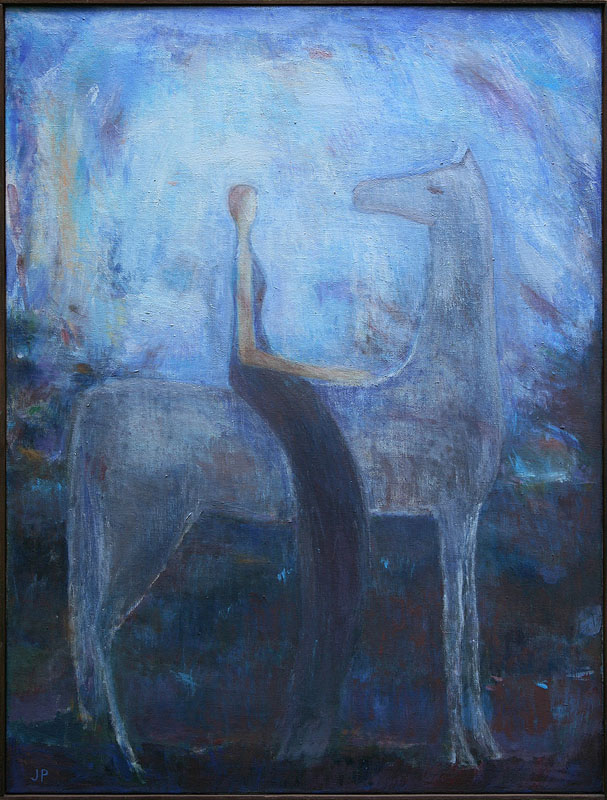
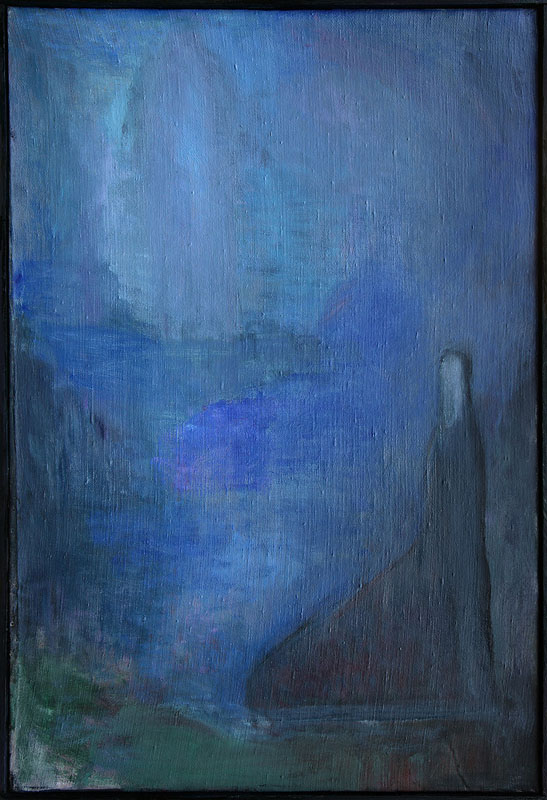
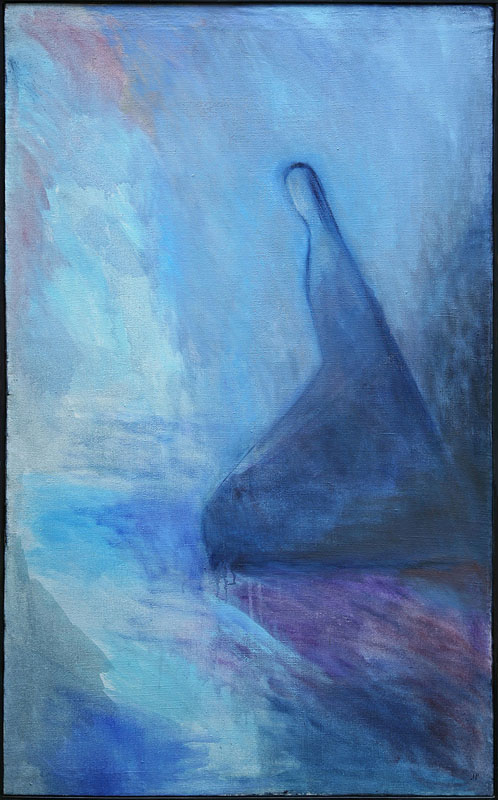
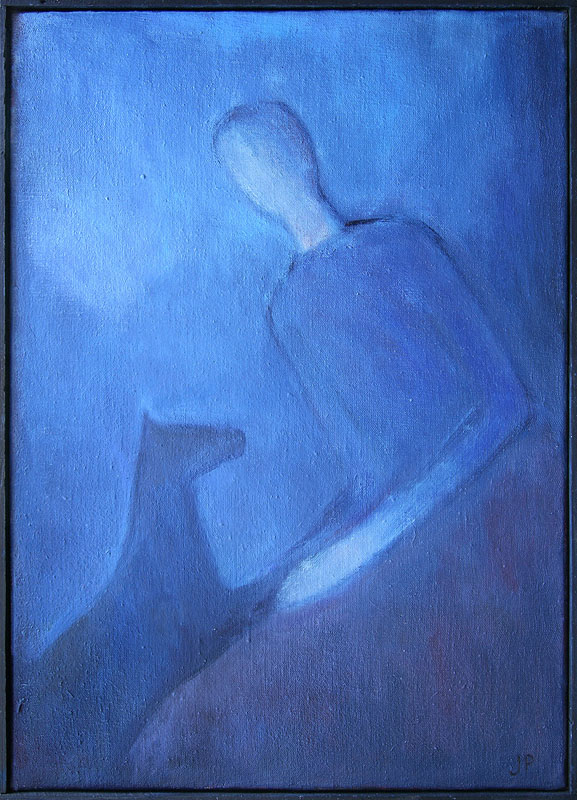
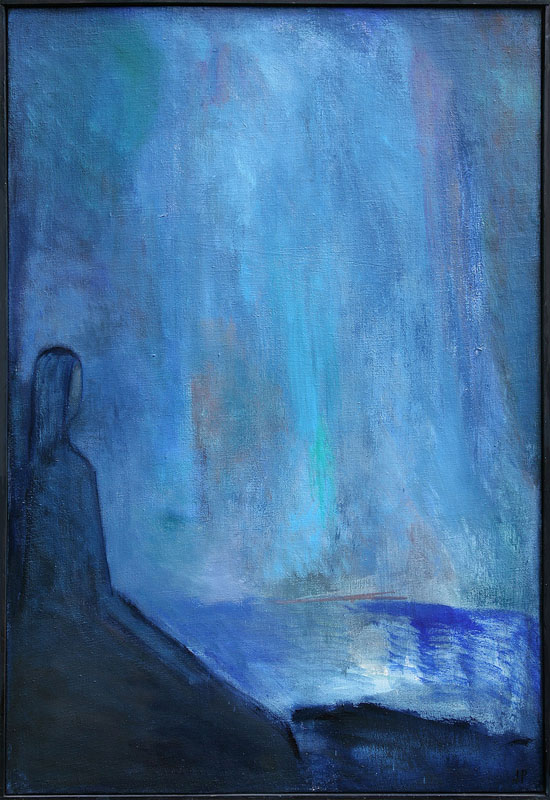
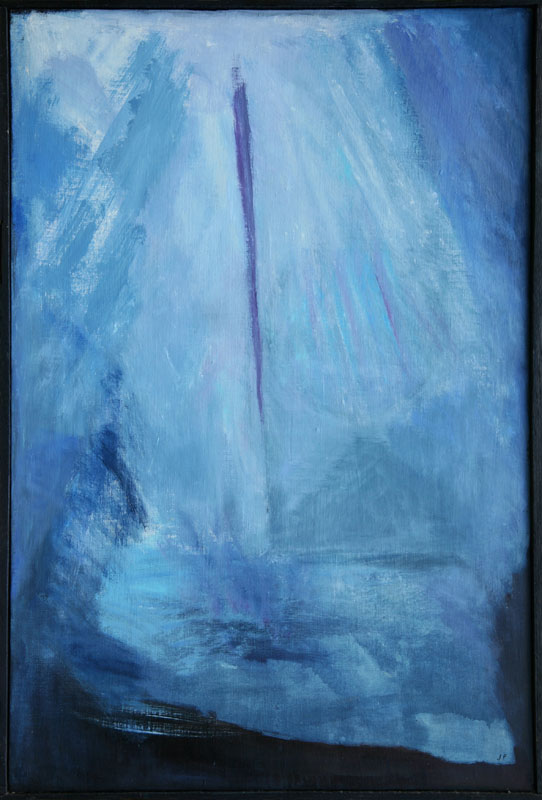
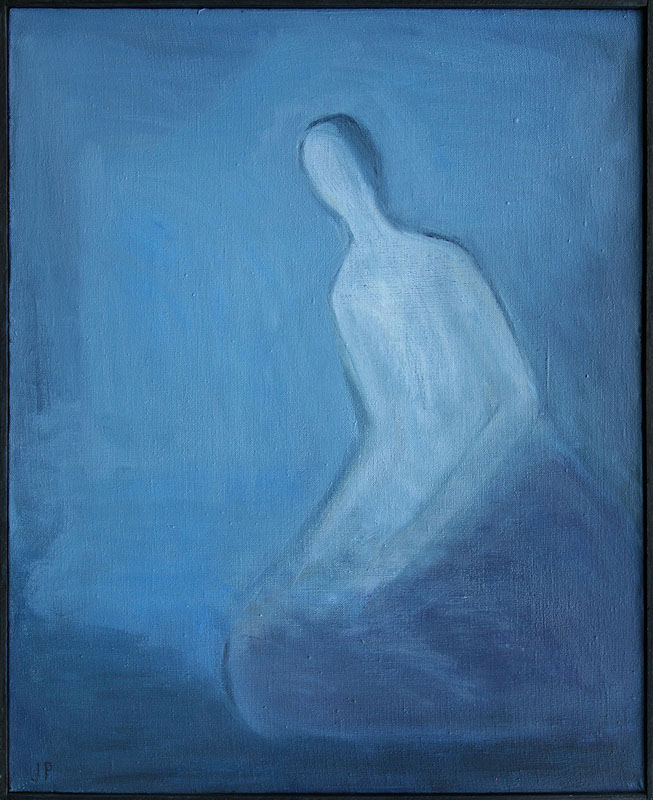
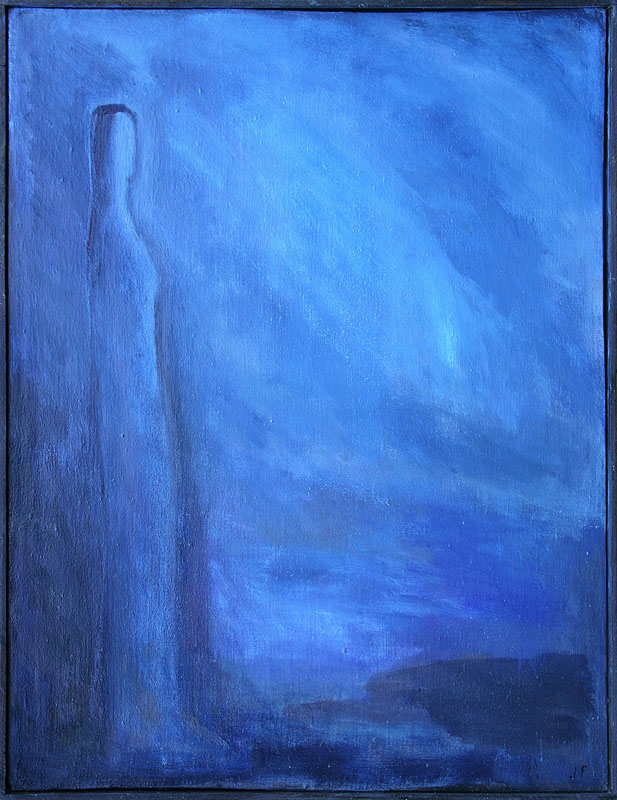
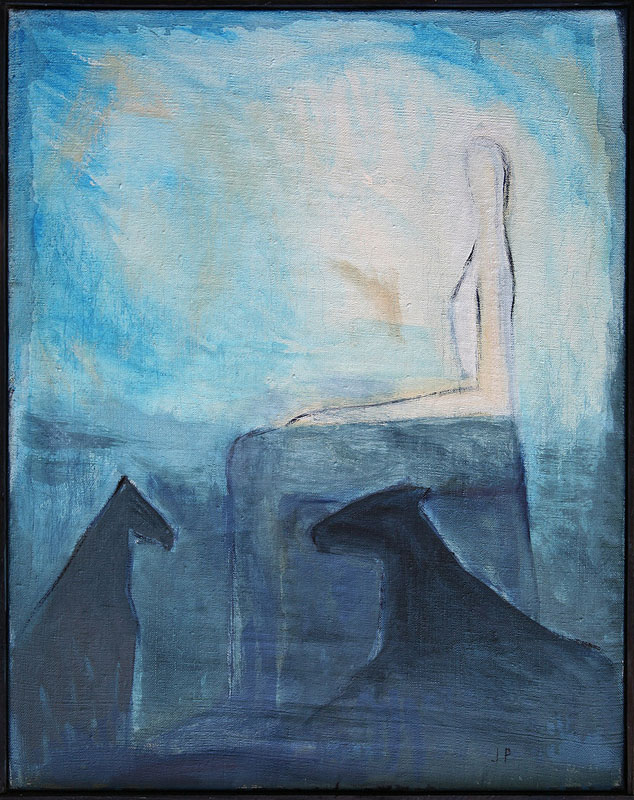
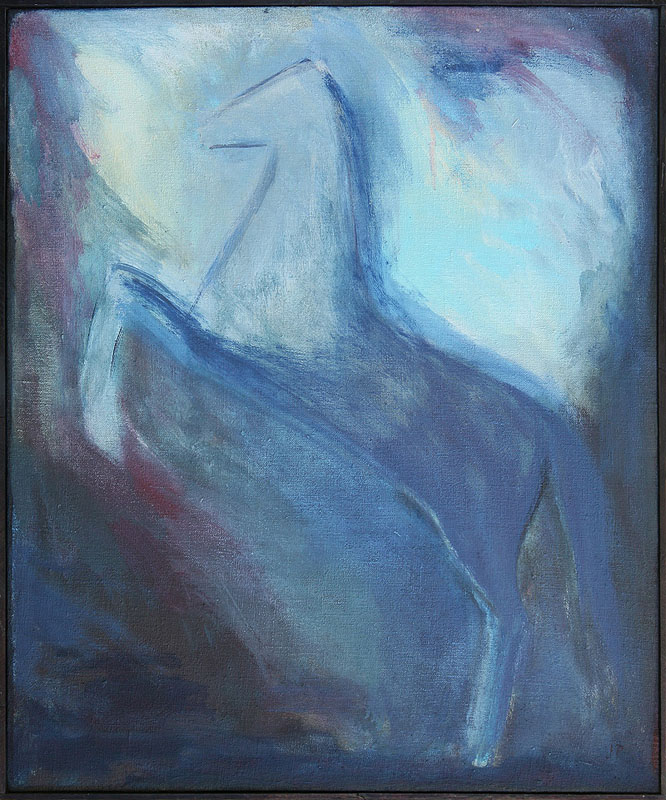
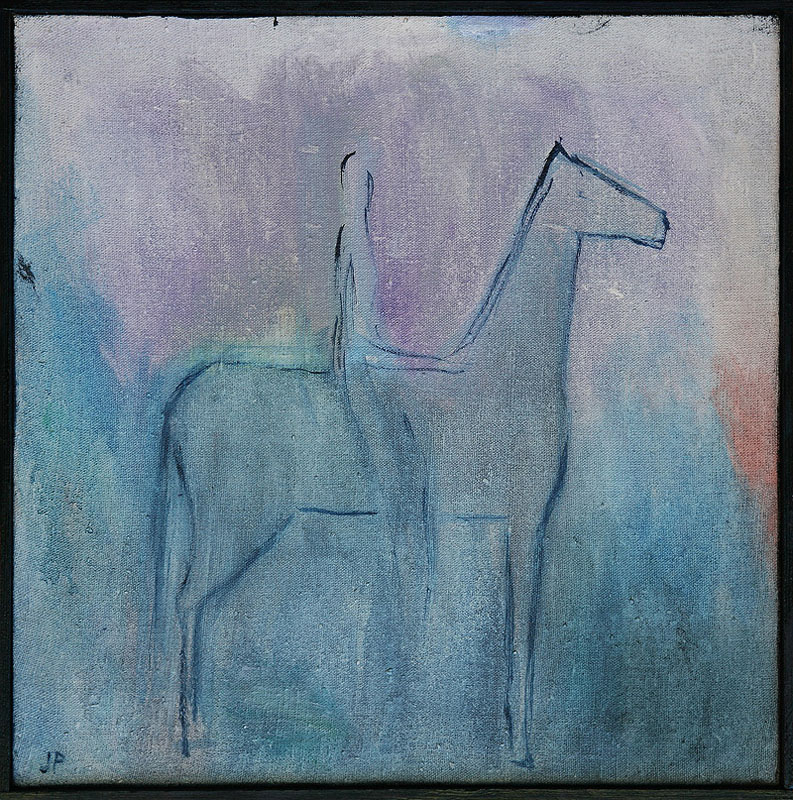
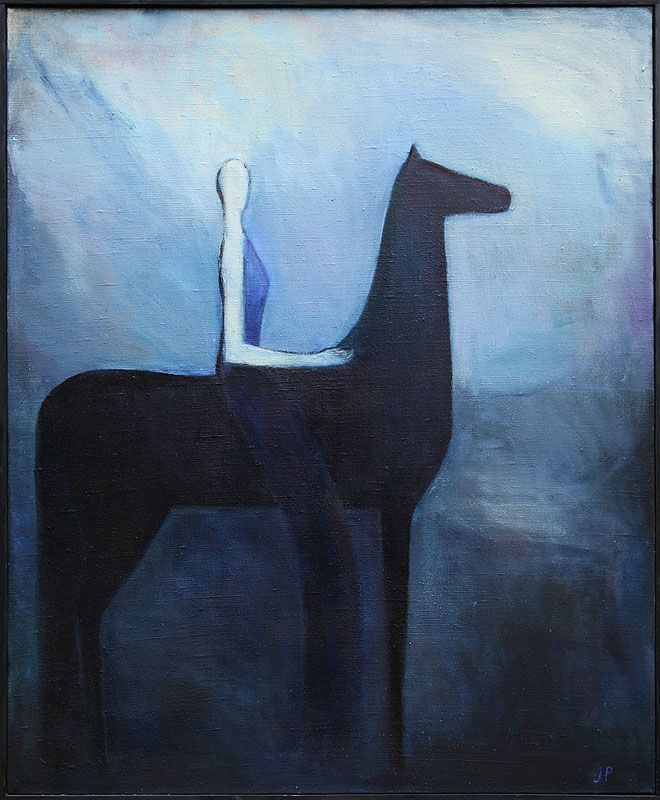
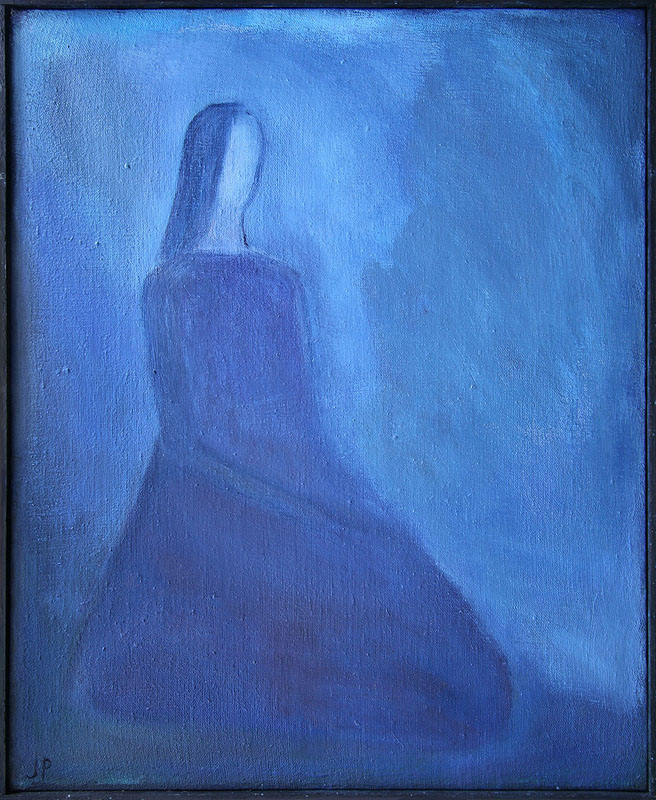
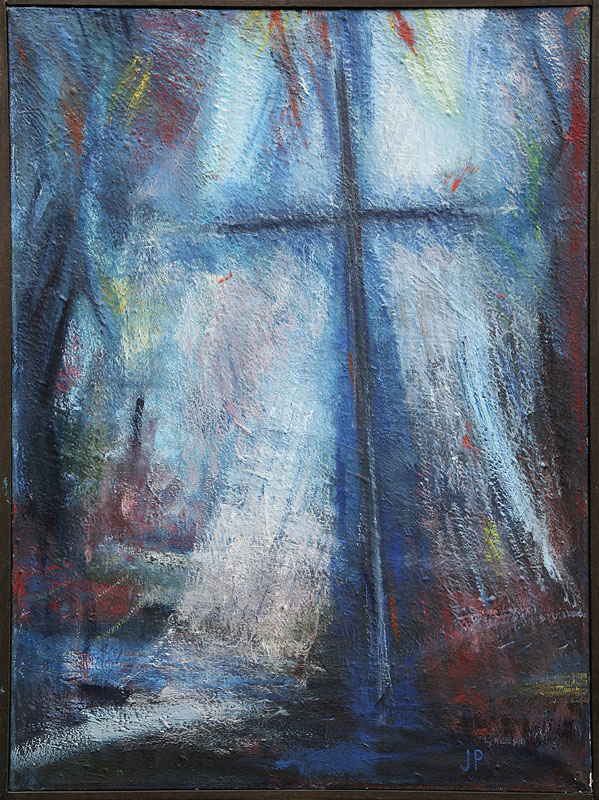
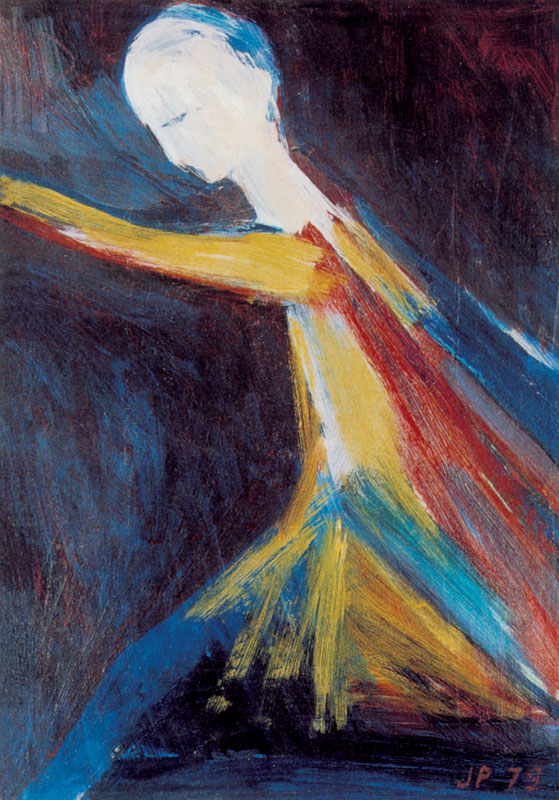
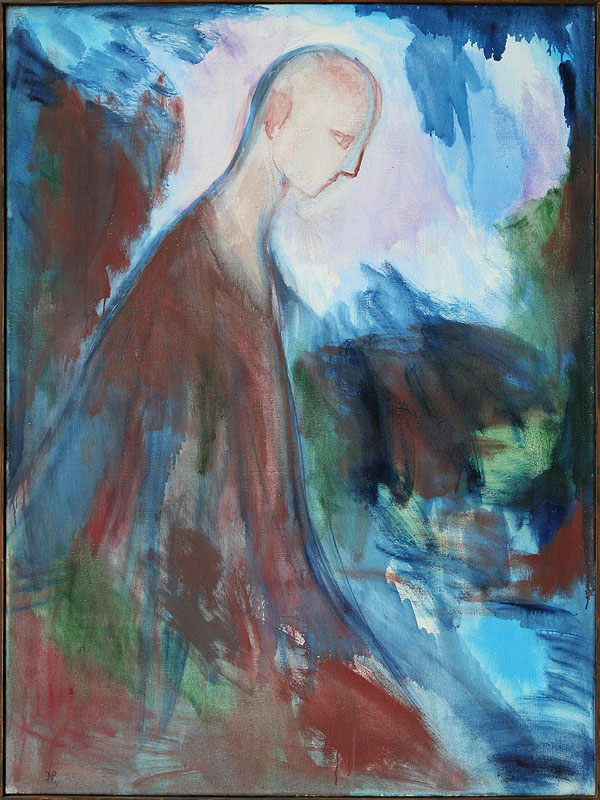
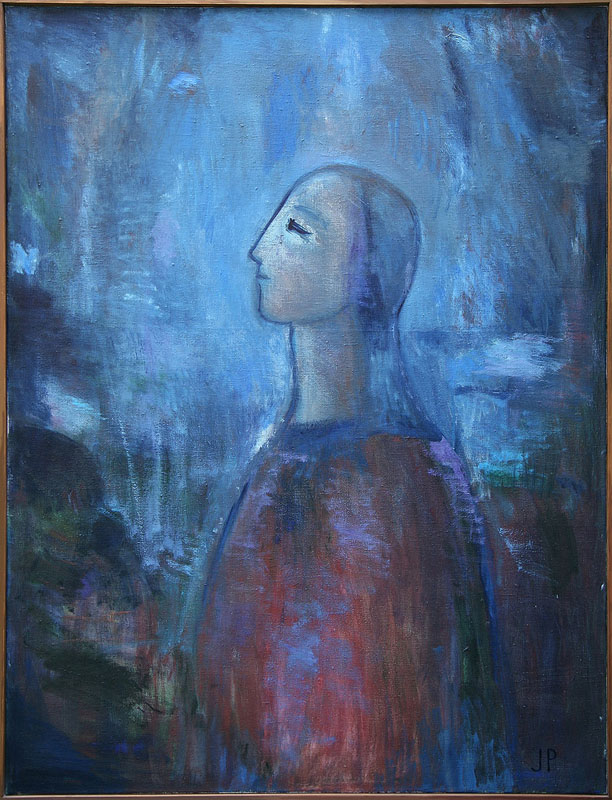
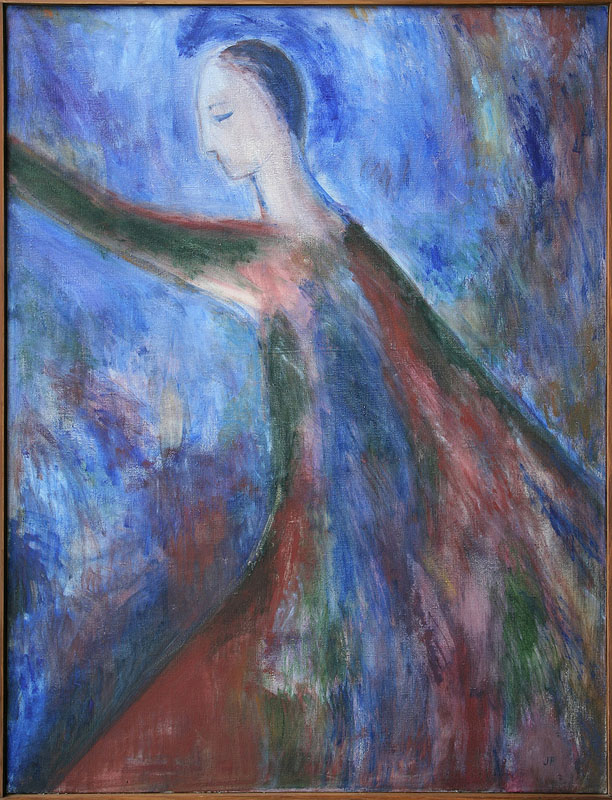
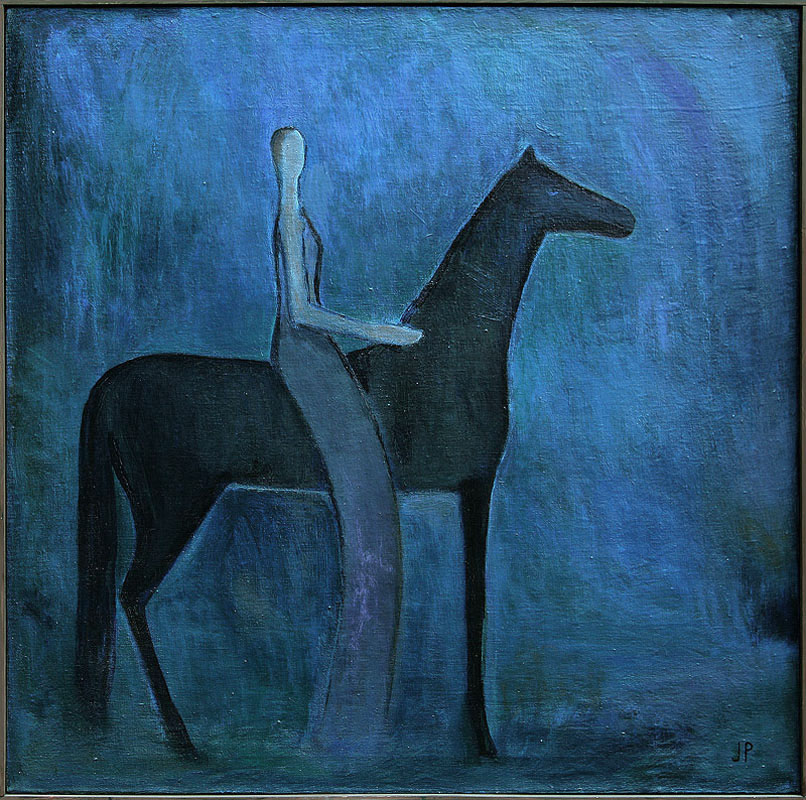
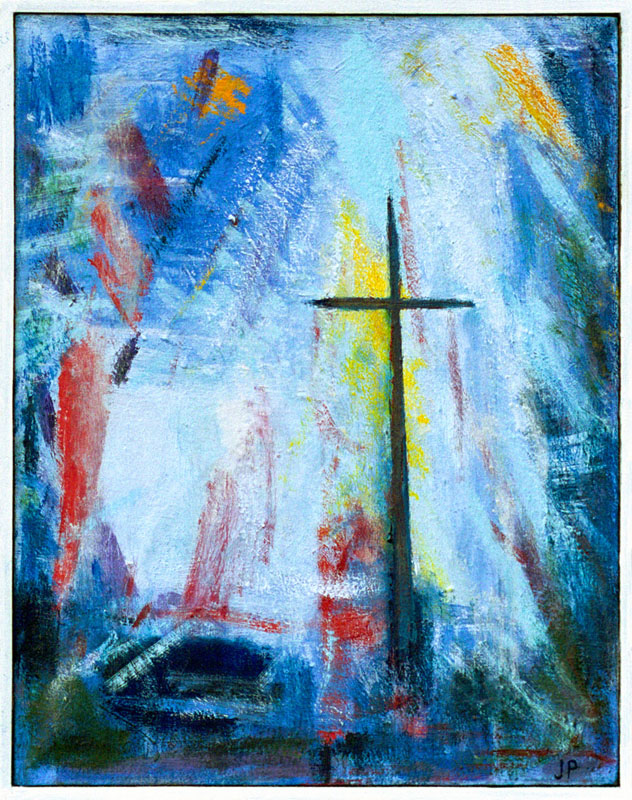
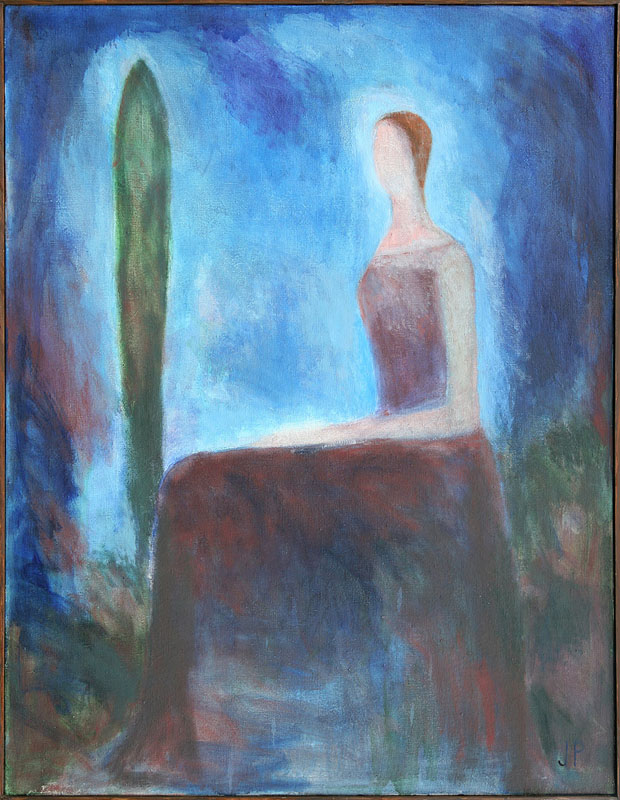
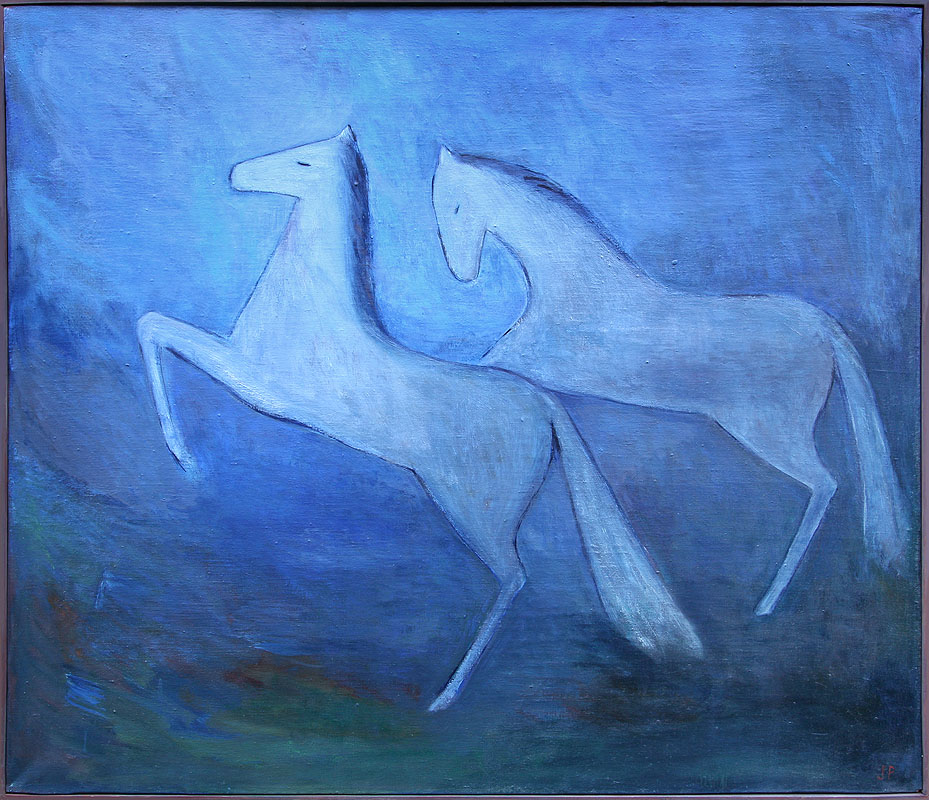
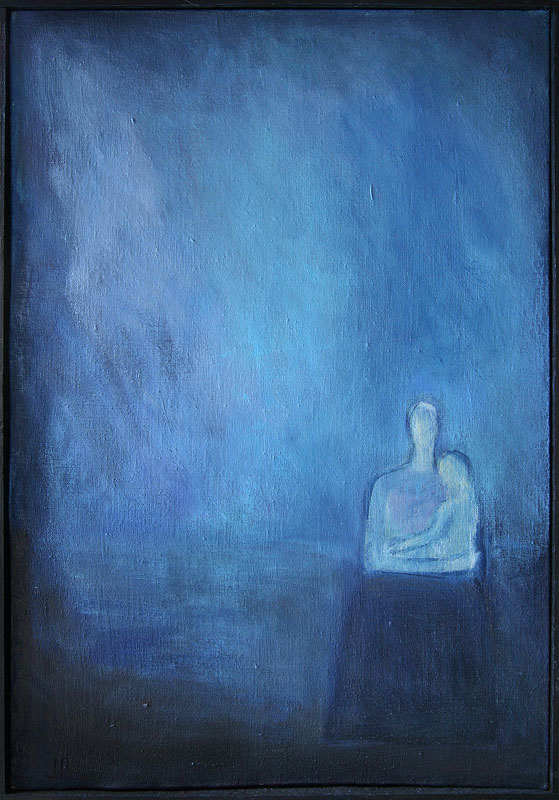
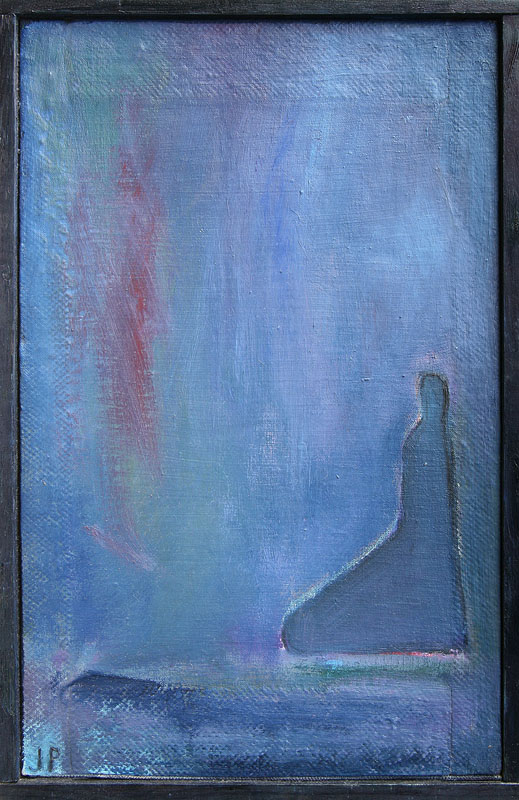
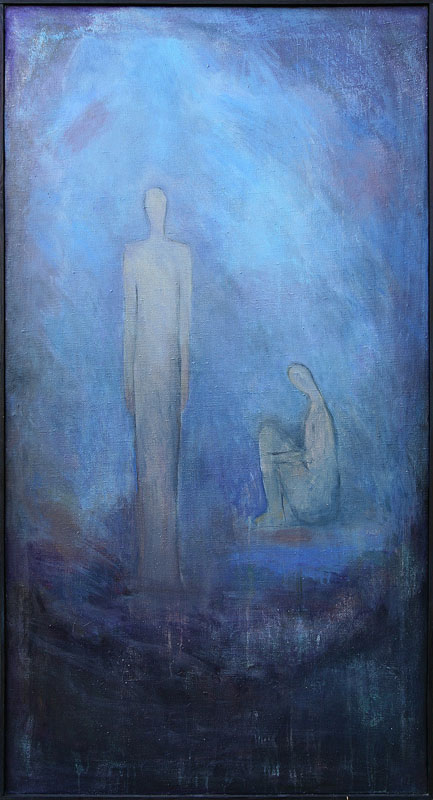
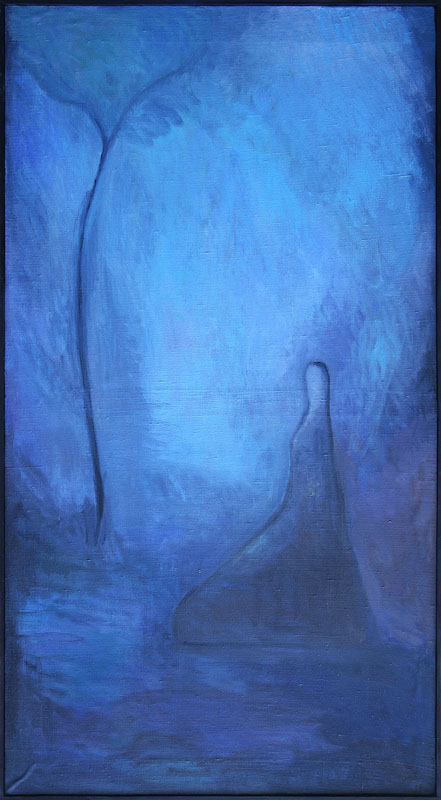
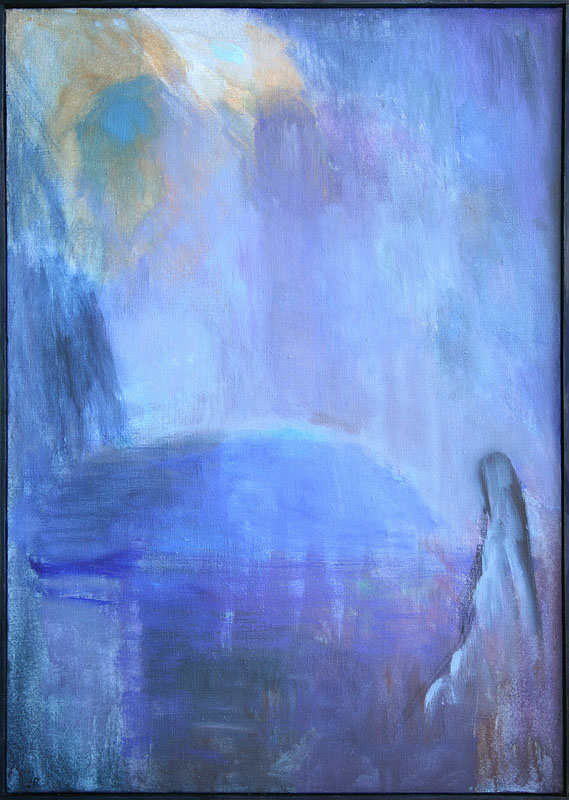
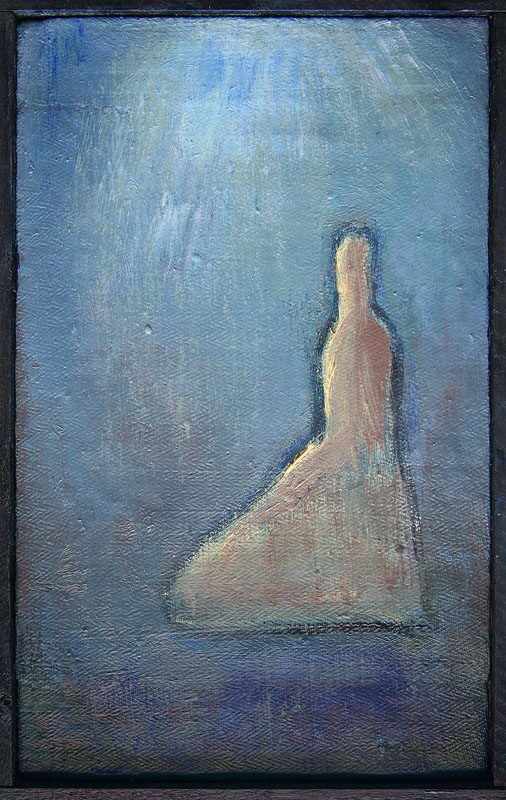
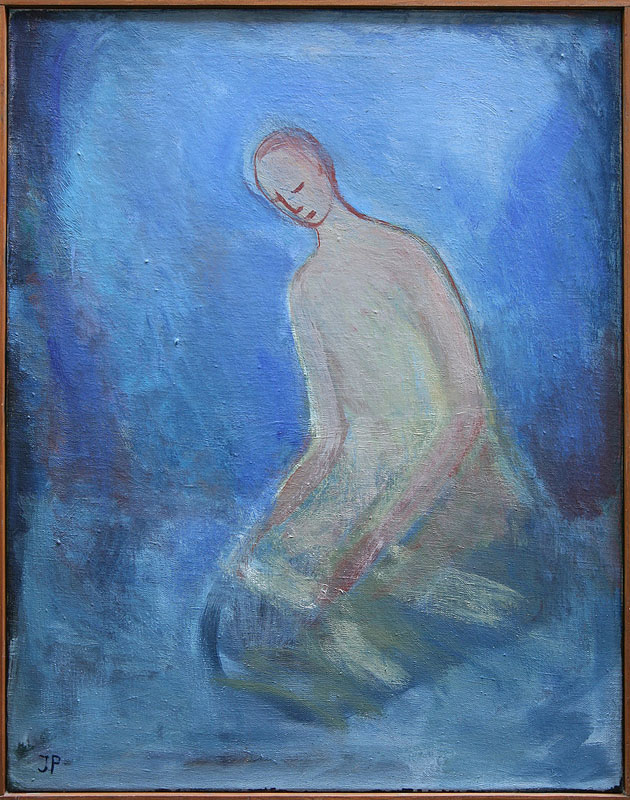
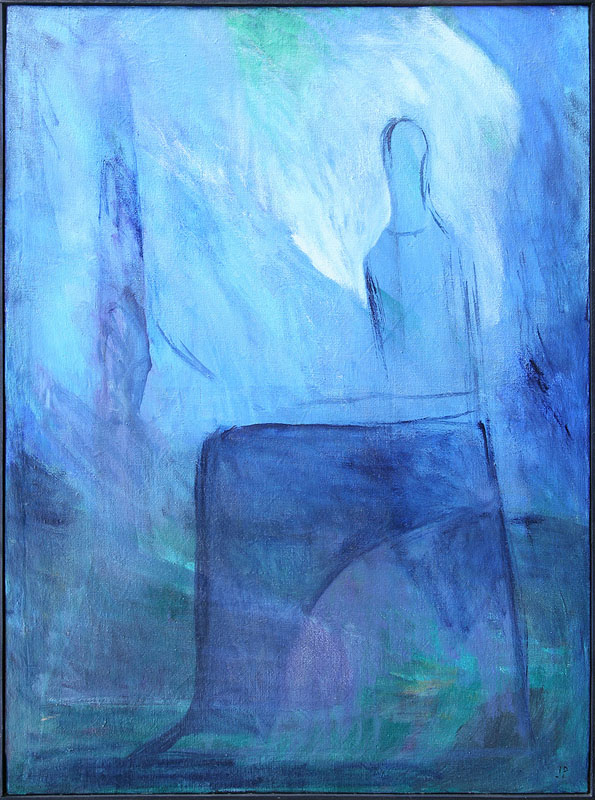
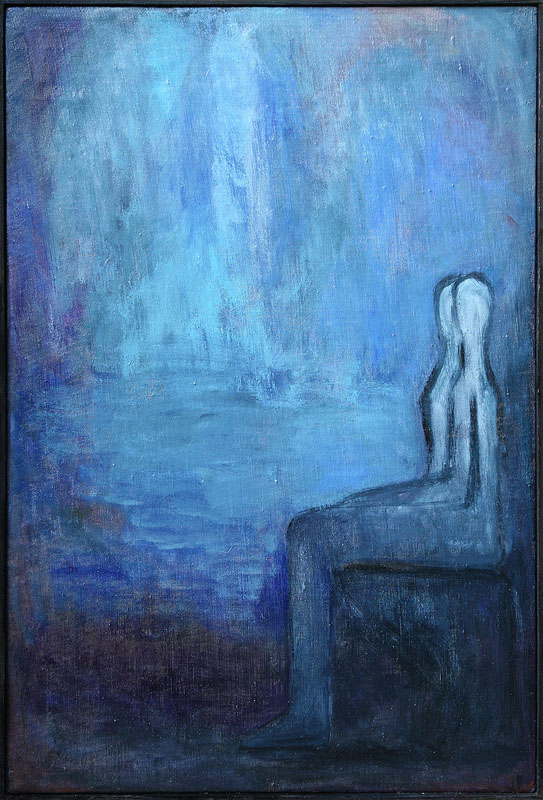
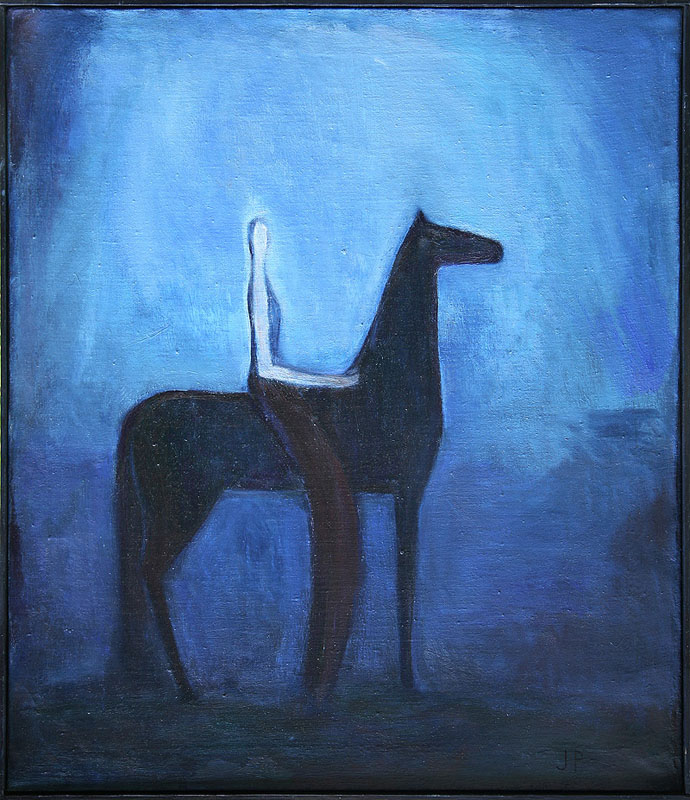
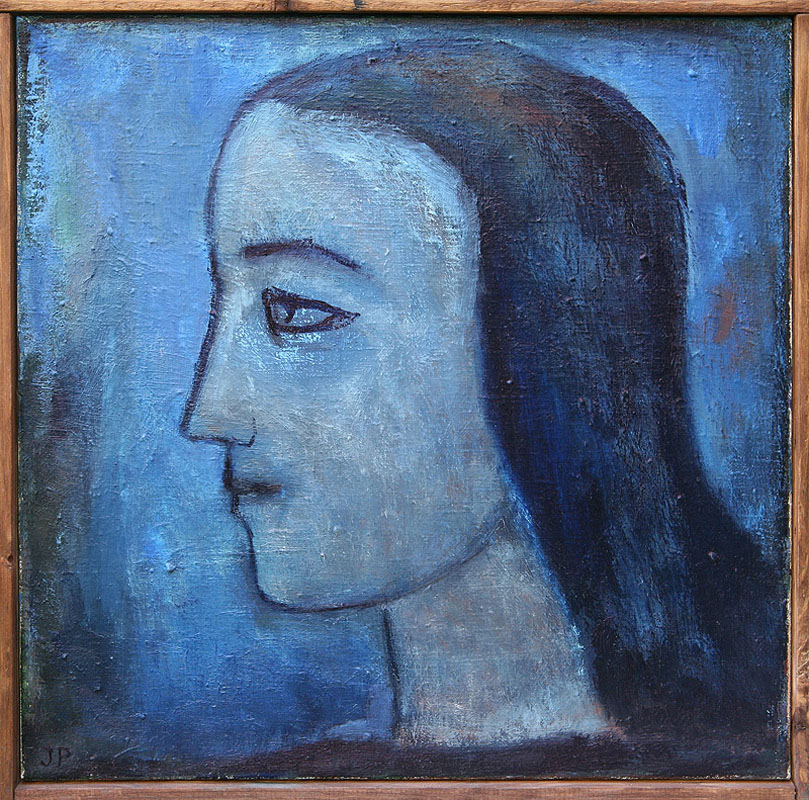
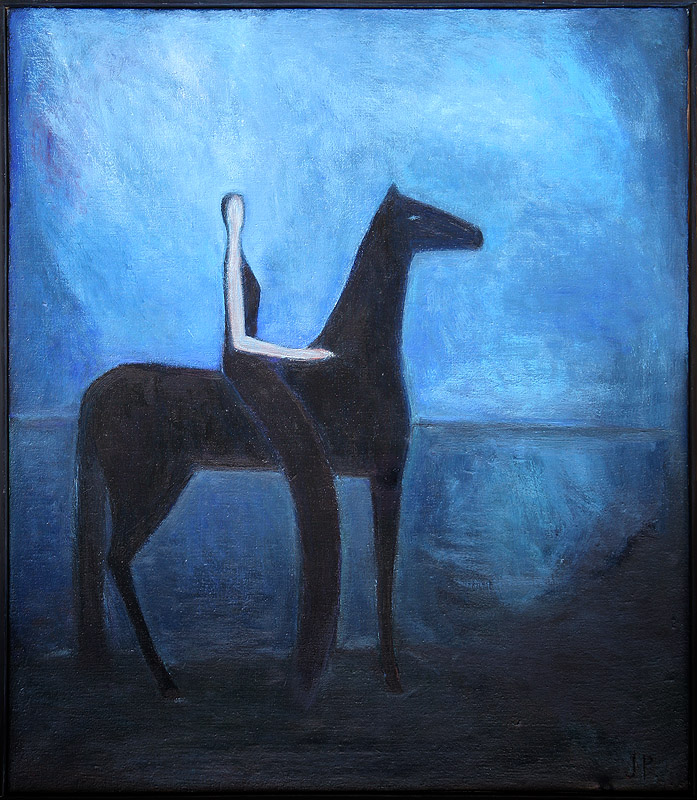
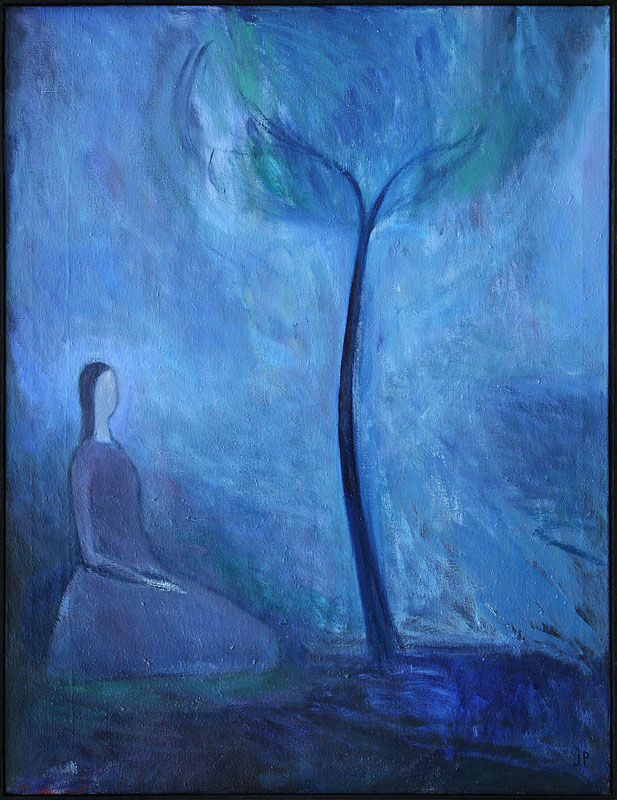
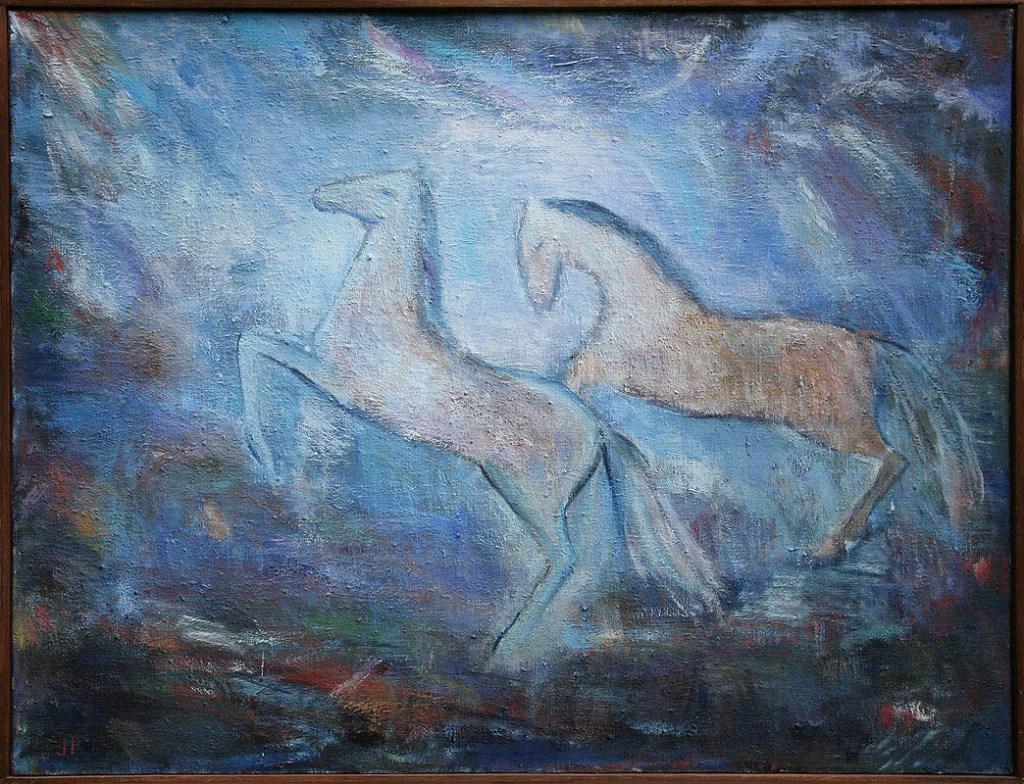
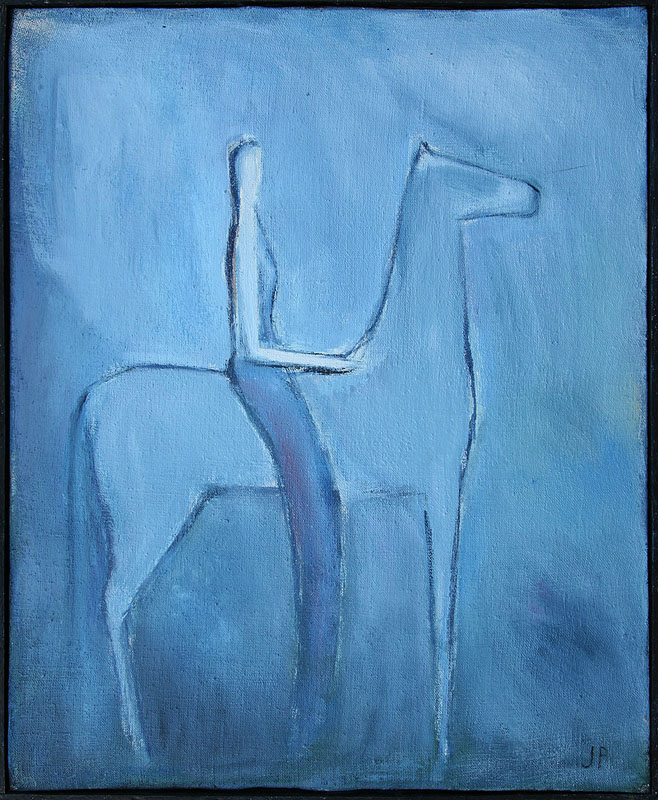
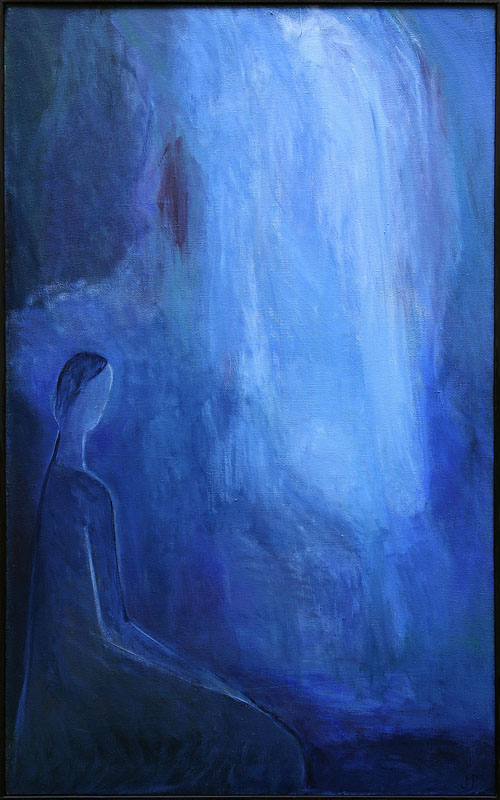
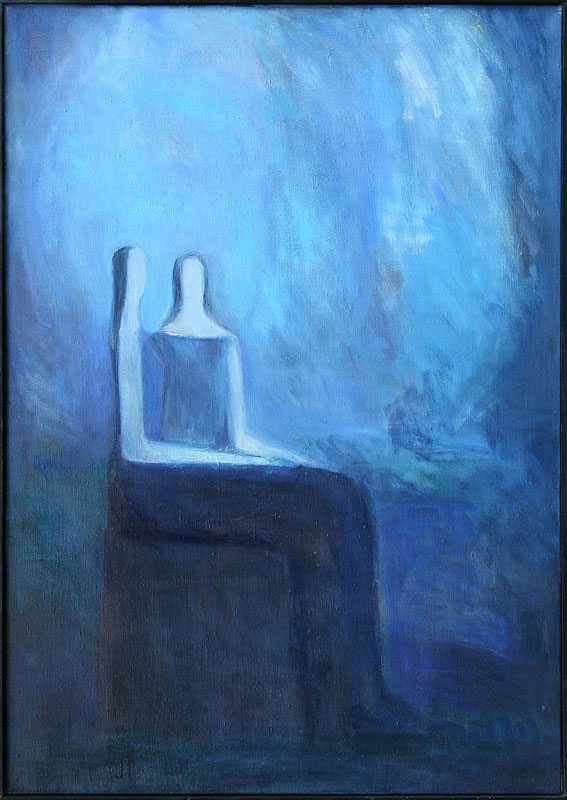
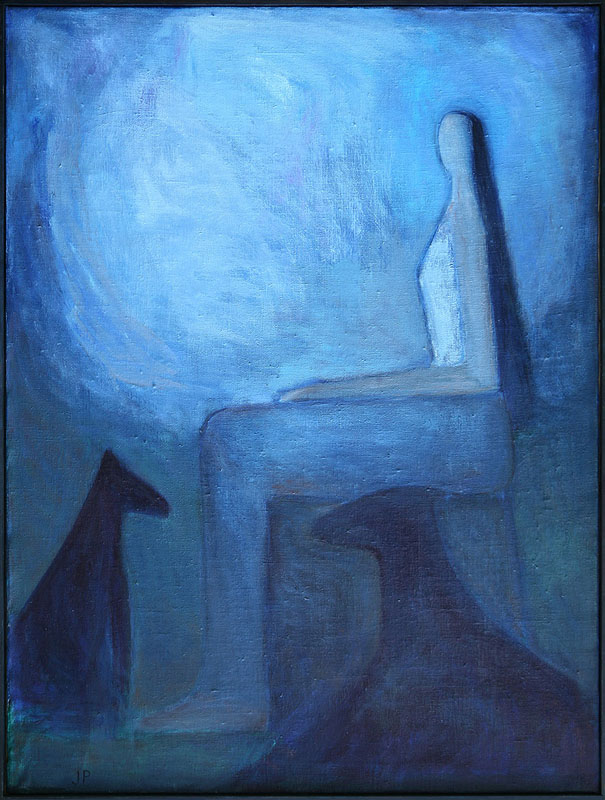
“The path to Jana Pivovarníková’s painting begins with drawing. Most often she explores the theme of the head in many variations, striving to capture a pure form in a simple line. Her pen and ink drawings anticipate, in expressive shorthand, her painting programme – first in tempera and later in oil – in which she concentrates on the relationship between light and colour. Colour is the interpreter of her inner feelings. From the second half of the 1980s the motifs of the pilgrim, the horsewoman and the couple appear more and more often; in the 1990s she also renders them in bronze sculpture. Her painterly variations on the theme of woman move towards the essence and towards the free use of imagination. The figure, in relation to space, radiates an inner light. At other times she creates a figural motif in symbiosis with space, reaching beyond the edges of the picture towards catharsis. The motif opens up new possibilities of painterly treatment in new contexts. She aims to depict a situation that grows out of the emotional layer of consciousness. The human figure interacts only with space, where time does not flow. The painter seeks the most fitting way to make human destiny present. Her works point to the essence of human existence and invite a moment of meditation.”
PhDr. Klára Kubíková
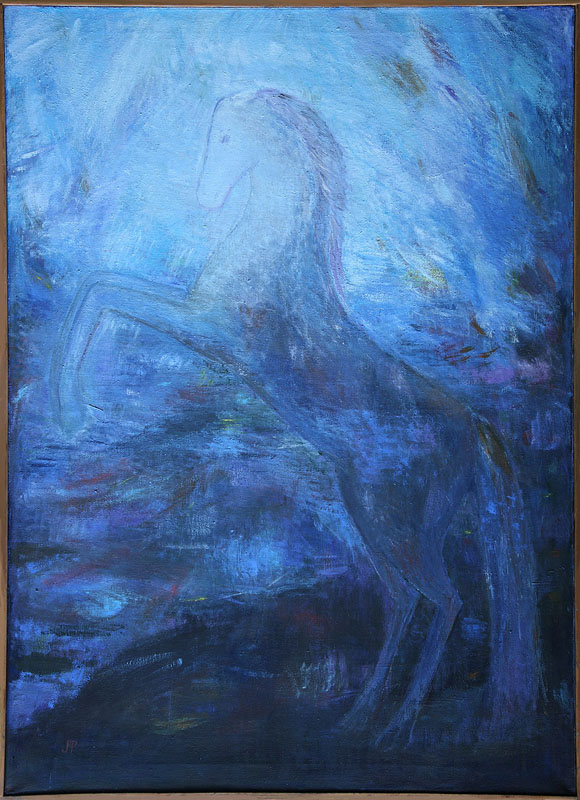
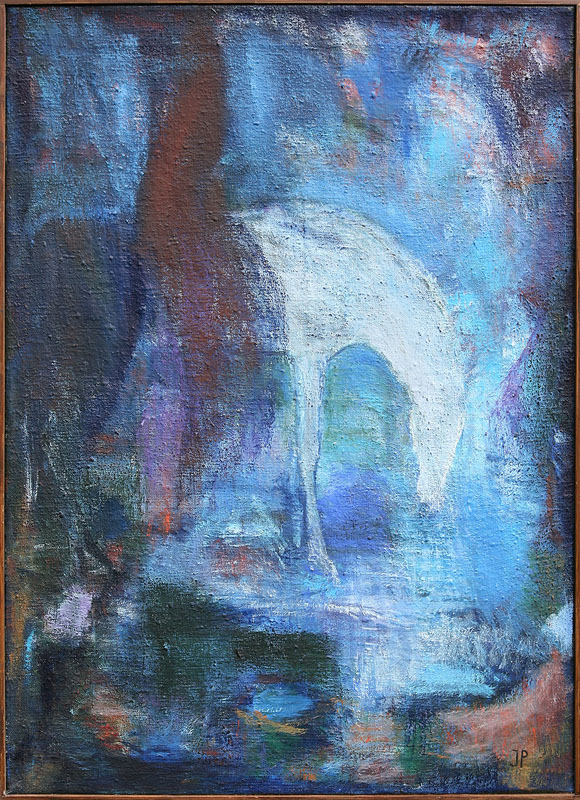
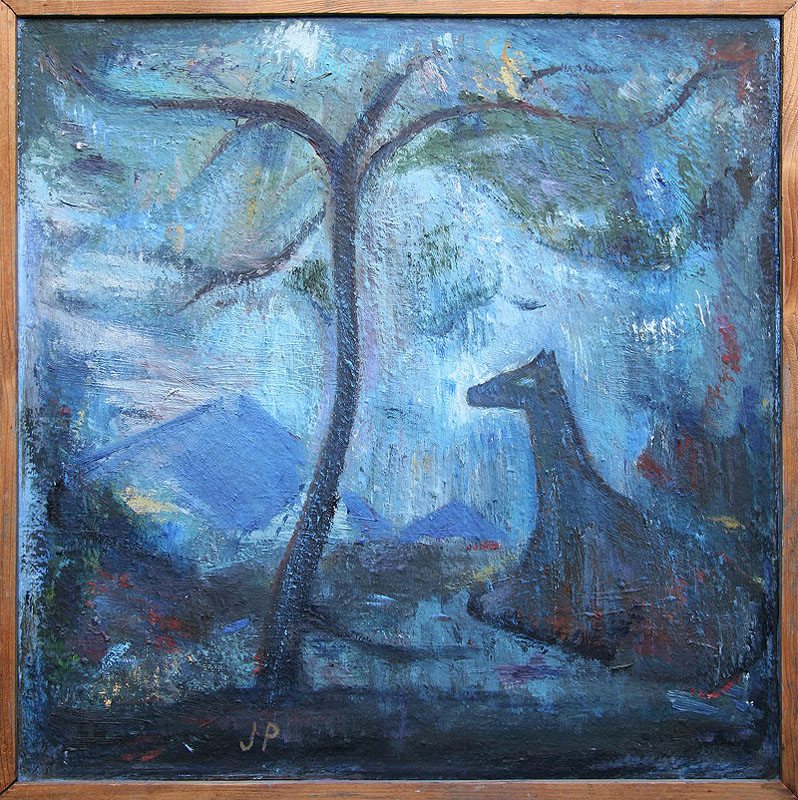
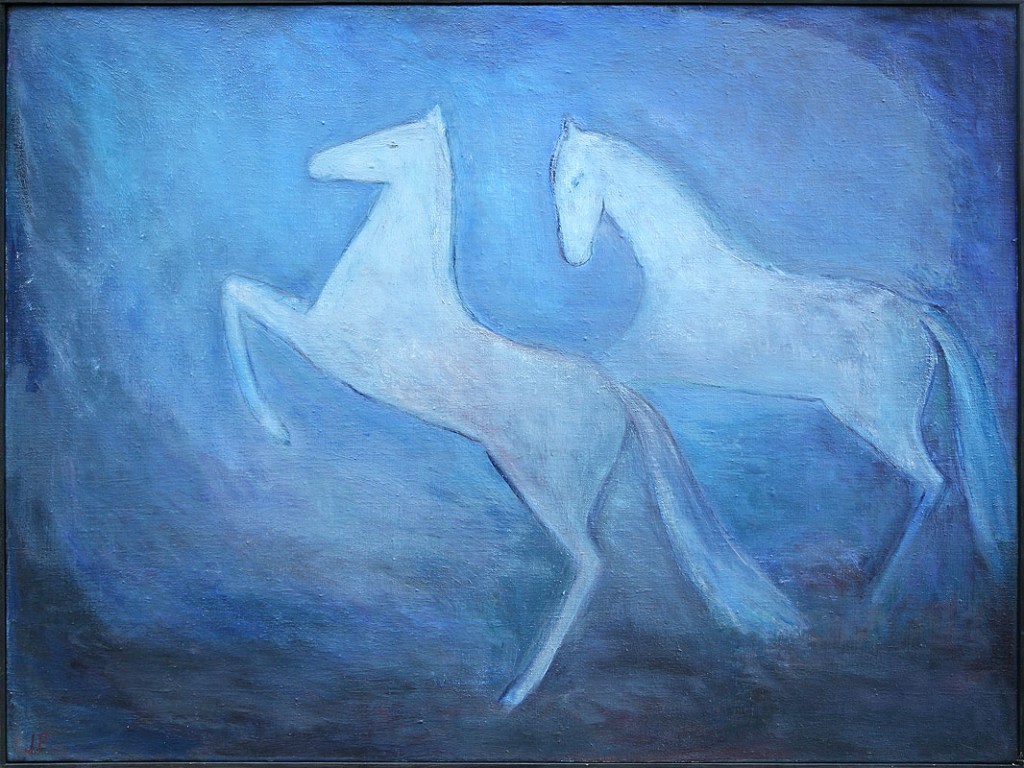
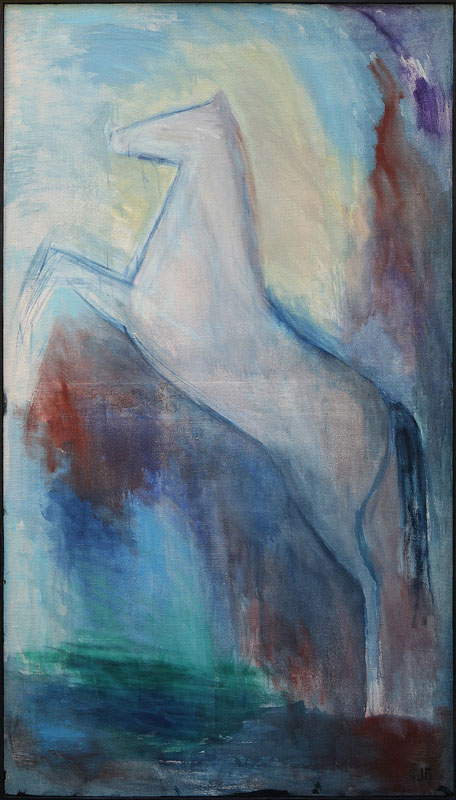
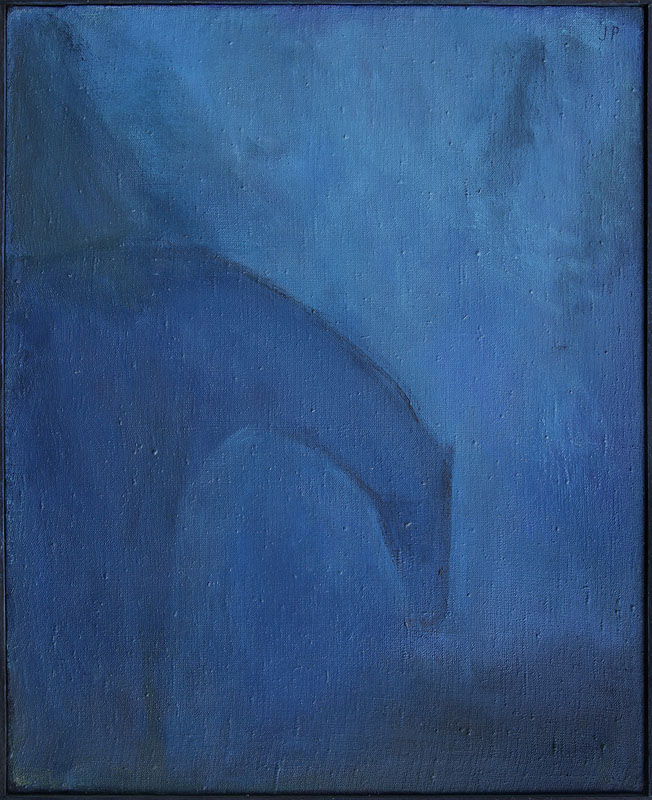
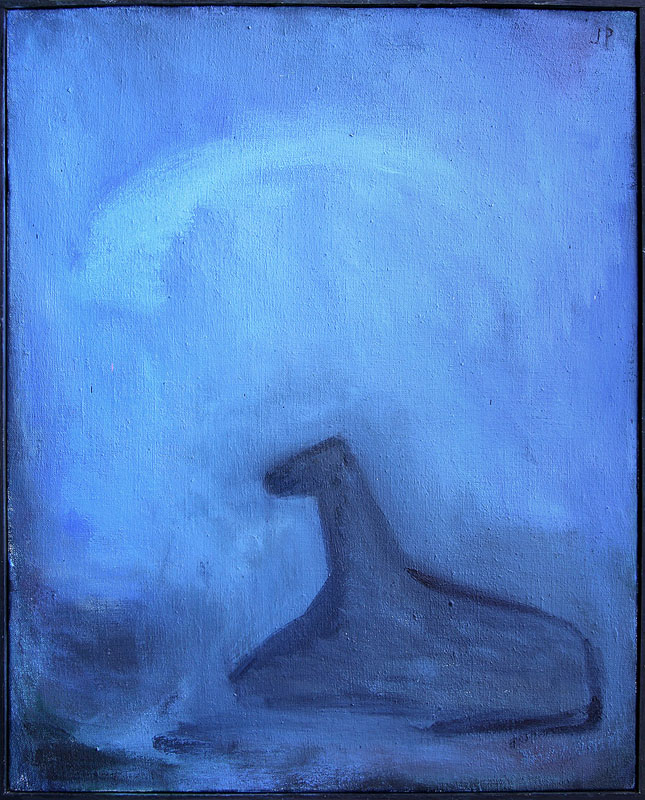
“Jana Pivovarníková’s paintings offer a distinctive view into the artist’s inner world. I see them as a form of healing self-reflection – a materialised meditation, or more precisely a record and at the same time a result of Jana’s meditations. Dreamlike landscapes ruled by the Moon, and the immaterial beings who inhabit them, are undeniably a personal and very intimate statement about her own existence. In this sense her works can partly be explained by the concept of individual mythology, which became prominent in modern art in the 1980s and describes artists’ efforts to come to terms with their inner selves – with what is immanent and personal, confronted with the surrounding world and expressed in painting through symbolic language and diverse artistic means.
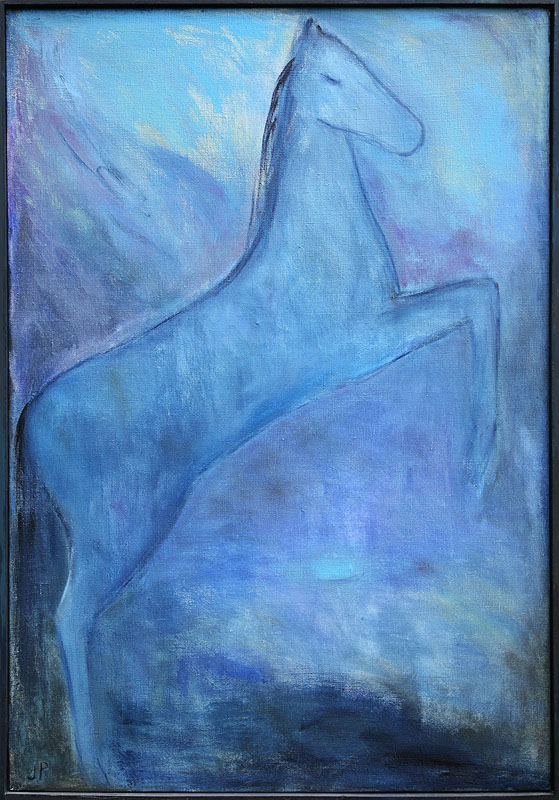
The horse is an ambivalent archetypal symbol that can represent the sun and the moon, life and death, beings of light and of darkness. The white horse symbolises light, intellect, wisdom, reason, nobility and dynamic strength. I believe that in Jana’s paintings the horse most strongly represents the male principle, male creative power, confronted with a solitary woman – calm, quiet, meditating on the unreal world around her. The horse can also stand for the magical powers of prophecy, which raises the woman who accompanies it – sometimes even sits on it and travels with it – to the level of a seer, and points us to intuition as one of the characteristic expressions of feminine energy towards the outside world. A woman sitting on a horse symbolises intuition ruling over reason. The paintings represent the union of both opposing forces. Reason and intuition embody the union of opposites, coincidentia oppositorum, as a form of existence of an ever-changing world. The space in which these mysterious stories of union take place is the world of dreams, of the subconscious or of an open consciousness able to perceive even the invisible. Its depth evokes a night sky lit by the cold light of the stars and the moon.”
Mgr. Peter Kršák
Further reading (in Slovak):
- Interview with Jana Pivovarníková – Eva Bednáriková
- Jana Pivovarníková – Milan Čechvala
- Paintings of light from other worlds – Peter Kršák
Contact